
Skin rejuvenation treatments: 2025’s Ultimate Guide
Showing Skin Rejuvenation Treatments
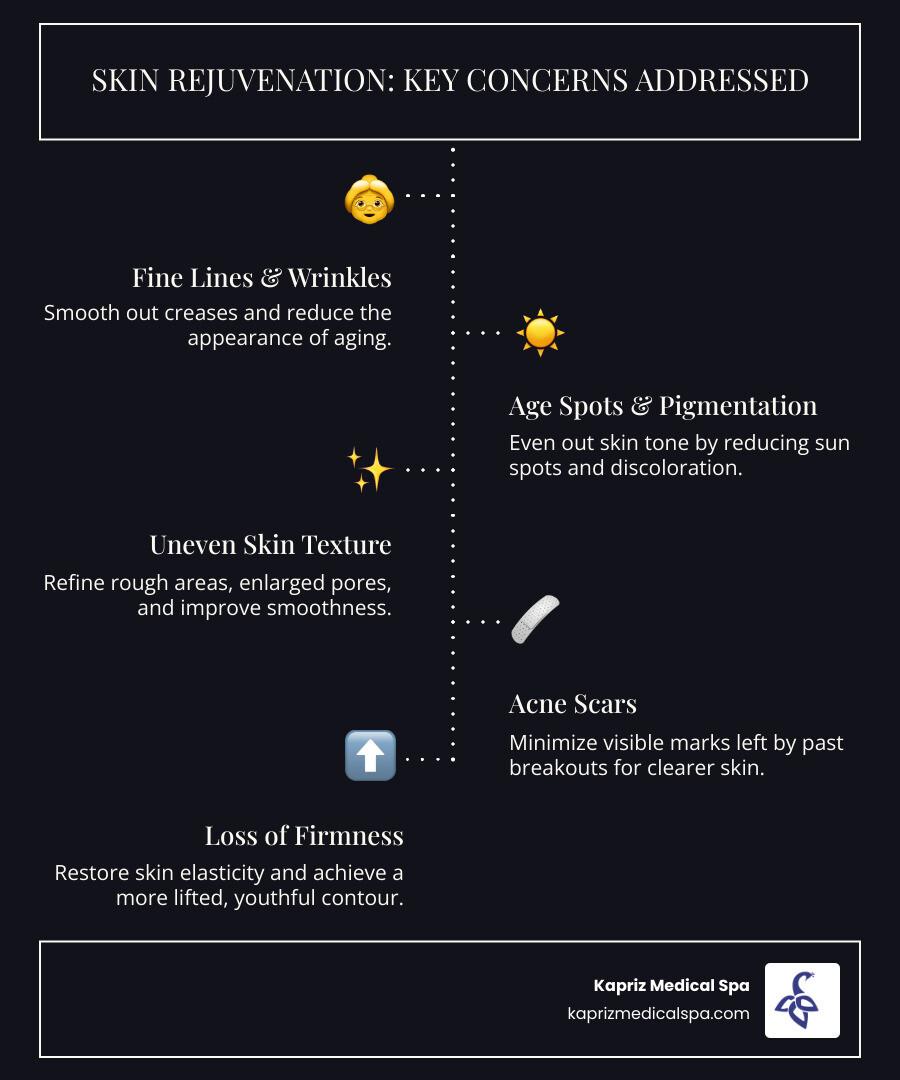
As we age, our skin changes due to factors like sun exposure, health conditions, and time itself, leading to fine lines, age spots, and uneven texture. Skin rejuvenation treatments are professional procedures designed to restore your skin’s youthful appearance and health.
These treatments aim to improve overall skin health by addressing common concerns such as:
- Fine lines and wrinkles
- Age spots and other pigmentation issues
- Uneven skin tone and texture
- Acne scars
- Loss of skin firmness and elasticity
Categories of Professional Skin Rejuvenation Treatments
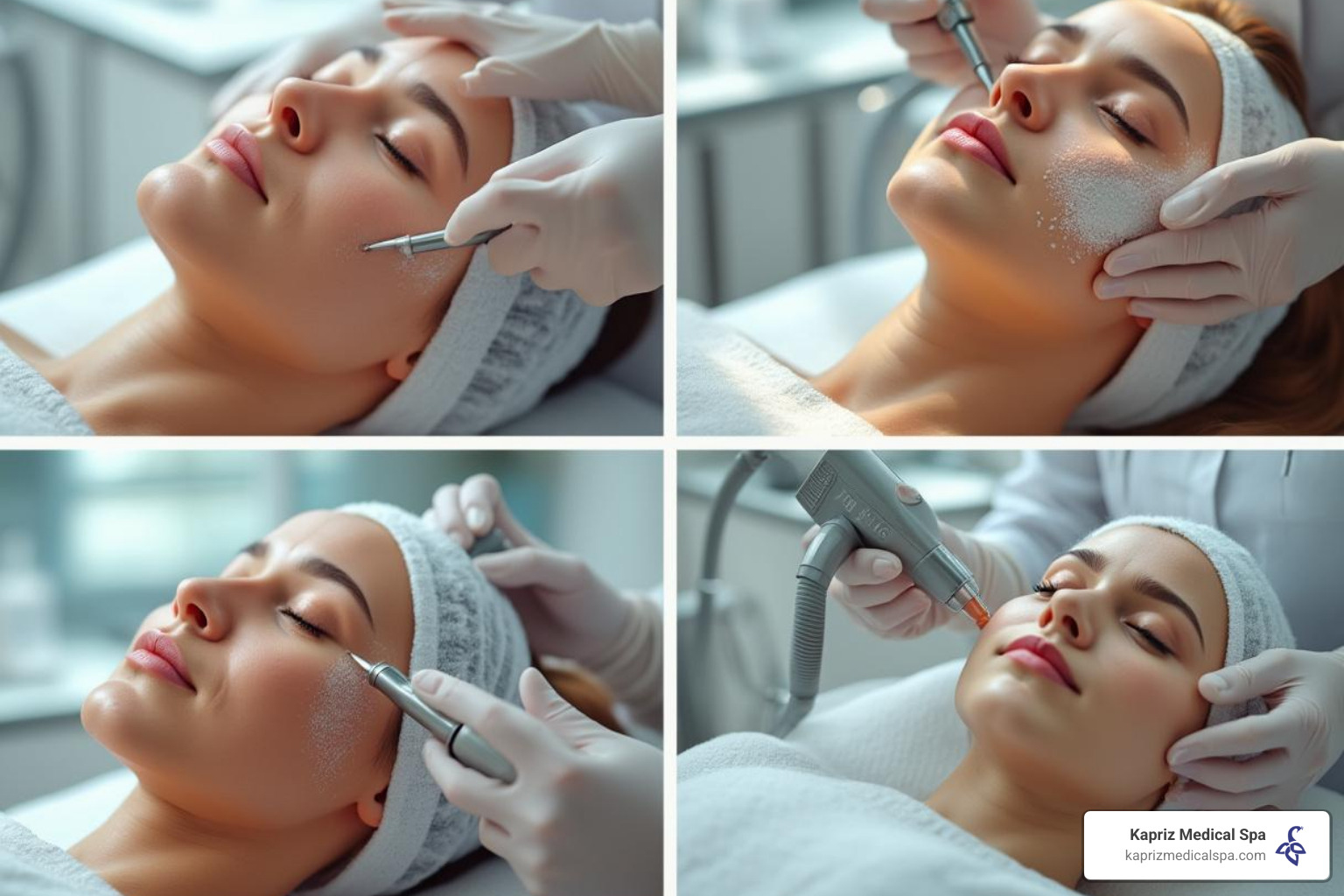
Professional skin rejuvenation treatments are designed to help you achieve a healthier, more radiant complexion by addressing signs of aging, sun damage, and more. These treatments generally fall into a few key categories:
- Resurfacing Techniques: These methods remove damaged outer layers of skin to reveal healthier skin beneath and encourage new cell growth.
- Injectables: These treatments involve injecting substances into the skin to reduce wrinkles, restore volume, or improve skin quality.
- Light and Energy Therapies: Using various forms of light, laser, or ultrasound energy, these treatments target specific concerns like pigmentation or skin laxity.
Choosing the right treatment is a highly personalized process. It is incredibly important to consult with a board-certified dermatologist or plastic surgeon to discuss your goals and medical history. The provider you choose has the biggest impact on your results, so choose wisely. Many of these treatments require a series of sessions or a combination of techniques for the best outcome.
Ready to explore your options? You can find more information about our services and schedule a consultation to discuss what’s right for you.
Laser and Light Therapies
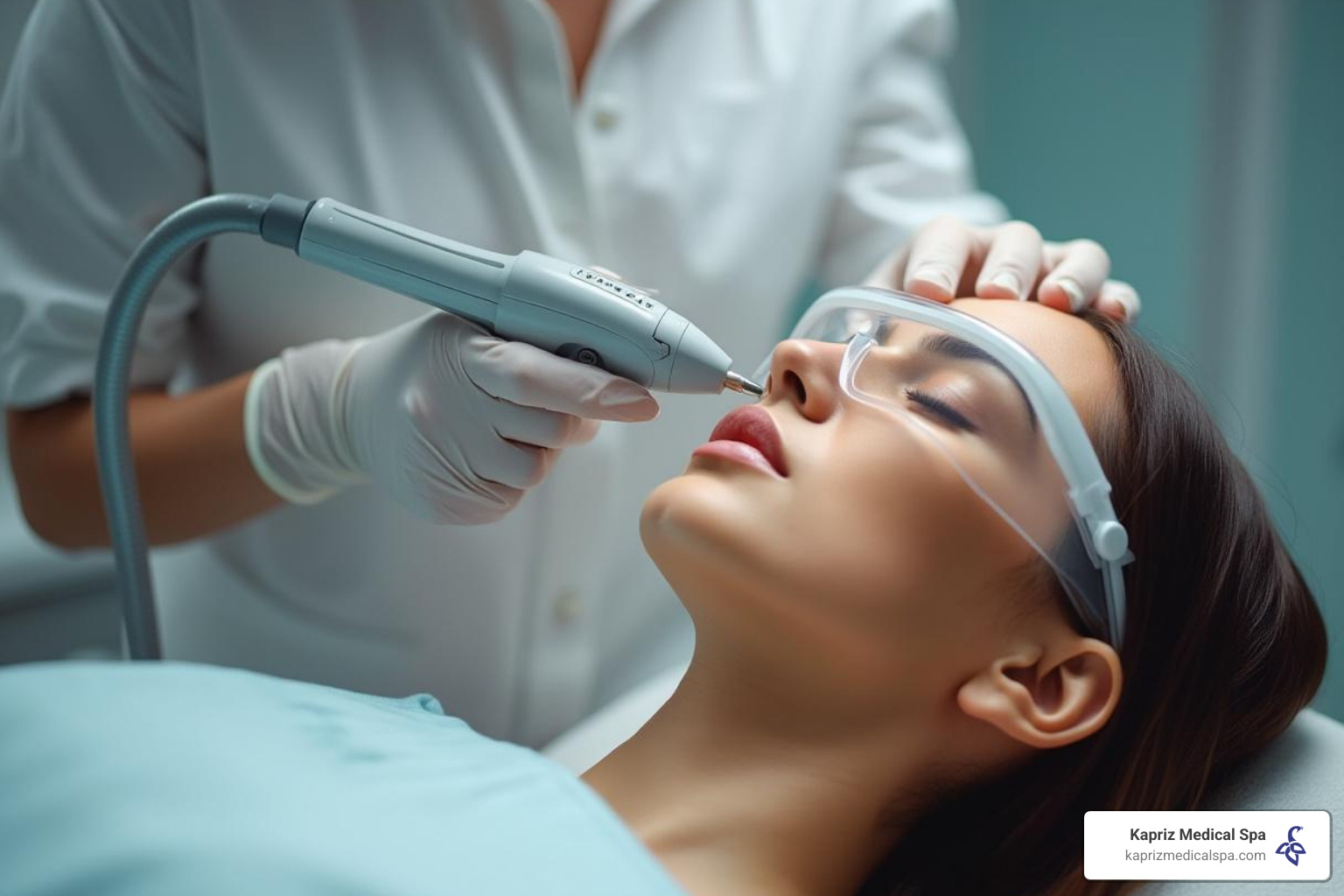
Laser and light therapies are powerful skin rejuvenation treatments that use targeted energy to stimulate natural healing and collagen production.
How They Work:
Lasers use focused light to target elements in the skin, like melanin (pigment) or hemoglobin (blood). A key benefit is stimulating collagen—the protein for skin firmness—by penetrating deep into the skin to kickstart new production.
Ablative vs. Non-Ablative Lasers:
- Ablative Lasers (e.g., CO2) vaporize outer skin layers for dramatic results on deep wrinkles and scars but require significant downtime.
- Non-Ablative Lasers (e.g., Fraxel DUAL) heat deeper skin layers without removing the surface, requiring less downtime but multiple sessions.
- Fractional Lasers (both types) treat microscopic zones while leaving surrounding tissue intact, which significantly shortens recovery time.
Intense Pulsed Light (IPL) / Broad Band Light (BBL) Therapy:
IPL and BBL use a broad spectrum of light, not a single laser wavelength. They are excellent for treating pigmentation (sun spots) and redness (rosacea) while stimulating collagen. Research suggests BBL treatments may even help restore aged skin’s gene expression to resemble younger skin.
Conditions Treated:
- Fine lines and wrinkles
- Acne and surgical scars
- Sun spots, age spots, and other discoloration
- Redness, rosacea, and visible blood vessels
- Uneven skin tone and texture
For individuals with brown or Black skin, it’s crucial to seek an expert experienced with diverse skin tones to minimize the risk of pigmentation changes.
To dig deeper into how these amazing technologies can revitalize your complexion, visit our page on:
Chemical Peels
Chemical peels are classic skin rejuvenation treatments that use a chemical solution to resurface the skin, revealing a smoother, clearer complexion.
How Chemical Peels Work:
A chemical solution (typically an acid) is applied to the skin, causing controlled exfoliation. This removes damaged outer layers, stimulates cell turnover, and boosts collagen production, leading to improved texture and tone.
Differences Between Light, Medium, and Deep Peels:
| Type of Peel | Depth of Penetration | Concerns Treated | Typical Downtime | Effectiveness |
|---|---|---|---|---|
| Light (Superficial) Peel | Epidermis (outermost layer) | Fine lines, mild acne, uneven tone, dryness, rough texture | 1-3 days (mild redness, flaking) | Gentle refresh, brighter complexion, requires multiple sessions |
| Medium Peel | Epidermis and upper dermis | Fine lines & wrinkles, acne scars, age spots, moderate discoloration, skin laxity | 5-7 days (redness, swelling, significant peeling/flaking) | More noticeable improvement, stimulates collagen, 1-2 sessions needed |
| Deep Peel | Extends into the deeper dermis | Deep wrinkles, significant sun damage, severe scarring, precancerous growths | 2-3 weeks or more (intense redness, swelling, crusting, significant discomfort) | Dramatic results, long-lasting, typically one treatment, performed by a board-certified surgeon |
Conditions Treated:
- Fine lines and wrinkles
- Acne and acne scars
- Age spots and hyperpigmentation
- Uneven skin tone and rough texture
- Dull complexion
Starting with milder peels is often recommended. The treatment may cause a temporary warm or tingly sensation.
To learn more about how chemical peels can transform your skin, visit our dedicated page:
Mechanical Resurfacing
Mechanical resurfacing skin rejuvenation treatments use physical exfoliation to improve skin texture. The two most common forms are microdermabrasion and dermabrasion.
Microdermabrasion:
This is a gentle, minimally invasive procedure using tiny crystals or a diamond-tipped wand to exfoliate the outermost skin layer. It has little to no downtime and is best for superficial concerns like fine lines, mild scars, and dullness. It is safe for all skin tones.
Dermabrasion:
This is a more aggressive procedure using a rotating tool to deeply abrade the skin, performed by a physician. It requires significant downtime but is effective for deeper wrinkles and severe scars. It carries a higher risk of side effects and is not typically recommended for darker skin tones.
Microneedling and Radiofrequency (RF)
Microneedling, or collagen induction therapy, is a popular skin rejuvenation treatment that uses your body’s natural healing abilities to improve skin texture and reduce scars.
What is Microneedling and How Does It Work?
Microneedling uses a device with fine needles to create controlled micro-injuries in the skin. This triggers the body’s natural healing process, boosting collagen and elastin production. It’s safe for all skin types with minimal downtime.
The Role of Radiofrequency (RF) Microneedling:
RF microneedling improves this process by delivering radiofrequency energy through the needles into the dermis. This added heat further stimulates collagen, providing superior skin tightening results. Devices like Agnes RF and Sofwave use this combined approach for impressive improvements in skin laxity.
Conditions Treated:
- Acne scars
- Fine lines and wrinkles
- Large pores
- Uneven skin tone and texture
- Sun damage and stretch marks
- Skin laxity (especially with RF microneedling)
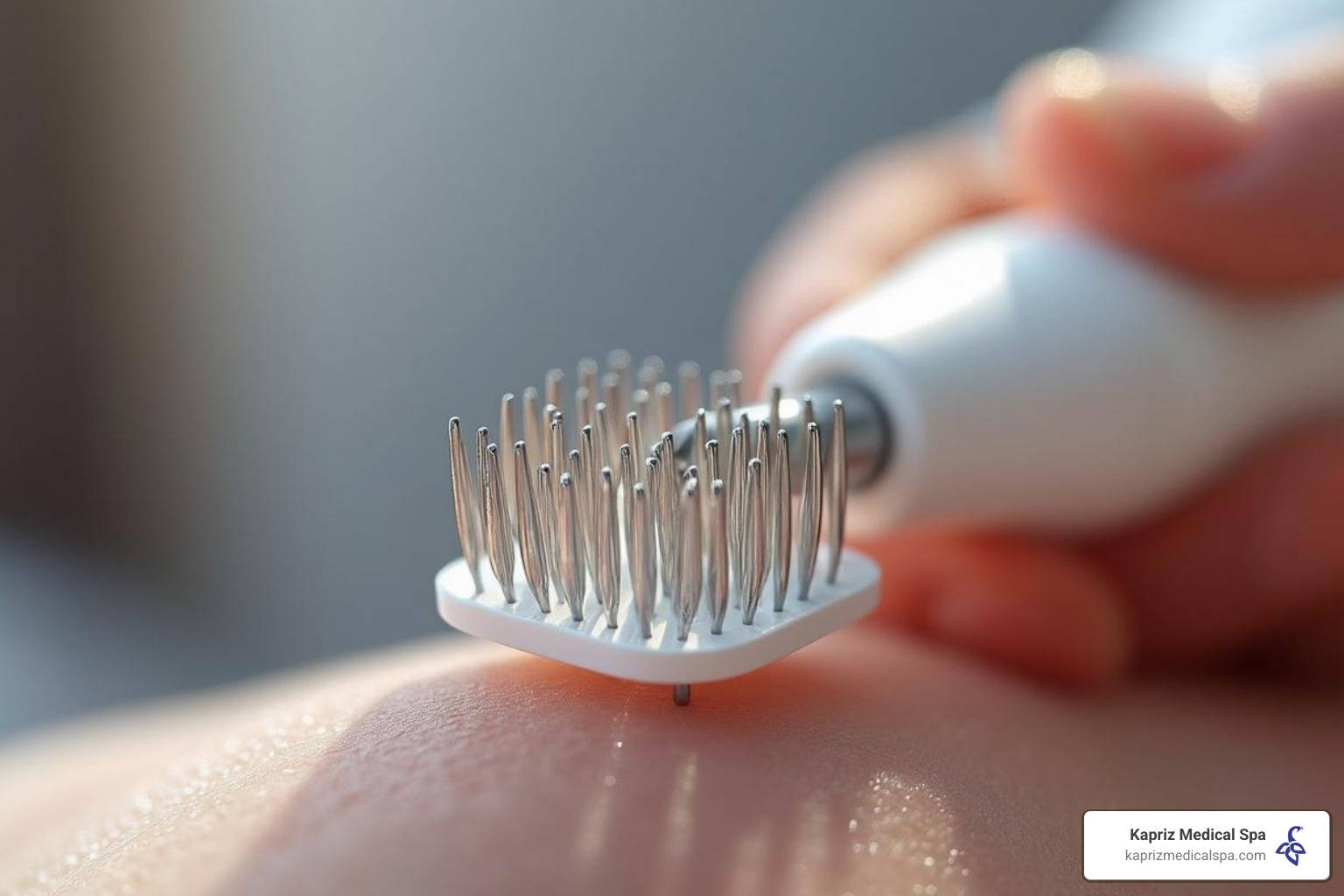
At Kapriz Medical Spa, we offer advanced microneedling services to help you achieve your skin goals. Explore more about our treatments:
Injectable Treatments
Injectable treatments are popular skin rejuvenation treatments that offer non-surgical ways to address wrinkles and restore volume with minimal downtime.
Neuromodulators (e.g., Botox):
Neuromodulators like Botox temporarily relax specific facial muscles that cause dynamic wrinkles (lines from expression). This smooths the skin, treating forehead lines, frown lines, and crow’s feet. Results typically last about three months.
Dermal Fillers (e.g., Hyaluronic Acid Fillers, Sculptra, Kybella):
Dermal fillers are injected to restore lost volume, smooth static wrinkles (lines at rest), and improve facial contours.
- Hyaluronic Acid (HA) Fillers (e.g., JUVÉDERM®, Restylane): Provide immediate volume and hydration. SKINVIVE by JUVÉDERM® is a unique HA injectable that improves skin smoothness rather than adding volume.
- Collagen Stimulators (e.g., Sculptra Aesthetic): Gradually stimulate your body’s own collagen production for long-lasting results.
- Fat Dissolvers (e.g., Kybella): Permanently dissolve fat cells, commonly used for a double chin.
Dermal fillers address volume loss, deep folds, and lip or jawline improvement. Longevity varies: lip volume may need touch-ups every 4-6 months, while other areas can last 12-24 months.
For more detailed insights into these transformative treatments, explore:
Safety, Risks, and Choosing a Qualified Provider
When considering skin rejuvenation treatments, safety is paramount. Understanding potential side effects, contraindications, and the importance of choosing a qualified provider is crucial for a successful outcome.
Potential Risks and Side Effects
While no procedure is without risk, most side effects from skin rejuvenation treatments are mild and temporary. It’s good to be aware of what could happen. Common, short-term effects include:
- Inflammation, swelling, and redness
- Bruising (especially with injectables)
- Mild itching or discomfort
- Temporary acne or milia (tiny white bumps)
Rarer risks include infection, skin color changes (hyperpigmentation or hypopigmentation, a higher risk for darker skin tones), and scarring. A qualified provider minimizes these risks.
It’s vital to share your full medical history, as some conditions may prevent treatment. We call these “contraindications.” Common contraindications include:
- Pregnancy or breastfeeding
- A compromised immune system
- A history of keloid scarring
- Active skin infections in the treatment area
- Use of certain medications like isotretinoin (Accutane)
- Certain underlying health conditions
We always go over your full medical history and discuss all potential risks during your consultation. Your safety and comfort are our top priority.
For more in-depth information about the safety aspects of these procedures:
Who is Qualified to Perform Skin Rejuvenation Treatments?
The success and safety of your skin rejuvenation treatments depend on your provider’s qualifications. While rules vary by state, qualified professionals include:
- Board-Certified Dermatologists & Plastic Surgeons: Medical doctors with extensive training, qualified for all treatments.
- Physician Assistants (PAs) & Nurse Practitioners (NPs): Can perform many treatments under a physician’s supervision.
- Registered Nurses (RNs): Can perform many non-invasive treatments under physician supervision.
- Licensed Aestheticians: Trained in cosmetic treatments like light chemical peels and microdermabrasion, often working with a supervising physician.
We believe that “the component of cosmetic medicine that has the biggest impact on your results is your provider.” When choosing someone for your skin rejuvenation treatments, be sure to:
- Ask about their experience with your desired procedure.
- Verify their credentials and licenses.
- Review before-and-after photos and client testimonials.
- Ensure you feel comfortable and heard during your consultation.
More intensive procedures like deep chemical peels or ablative lasers should be performed only by a board-certified cosmetic surgeon. At Kapriz Medical Spa, we connect you with a licensed, experienced provider who prioritizes your safety and provides personalized advice.
To understand more about who should provide your cosmetic treatment, we encourage you to learn more:
At-Home vs. Professional Treatments and Maintaining Your Results
Achieving and maintaining radiant skin is a partnership between professional skin rejuvenation treatments and your daily at-home care. We often refer to the “80/20 rule”: 80% of your skin’s appearance comes from your daily homecare routine, while 20% comes from professional treatments. This highlights the vital role you play in your skin’s long-term health.
Want to learn more about how we can help you achieve healthy skin?
Effective At-Home Skin Rejuvenation Options
While professional treatments provide powerful correction, a consistent at-home routine is essential for maintaining results and boosting overall skin health. Key at-home products include:
- Topical Retinoids (Vitamin A): The gold standard for anti-aging, used at night to speed cell turnover and boost collagen.
- Vitamin C Serum: A morning antioxidant that protects from environmental damage and brightens the skin.
- Daily SPF 30+: The single most important step to prevent sun damage and protect your investment in professional treatments.
- Gentle Exfoliants: Milder at-home peels or microdermabrasion kits can help maintain skin texture.
- LED Light Therapy Devices: Handheld devices can help with concerns like acne and redness over time.
At-home options are for maintaining results and preventing new damage, not for correcting significant issues like deep wrinkles or severe scars. For those, professional treatments are your go-to. Always consult a professional before starting a new at-home treatment.
We’re passionate about empowering you with the right knowledge and products for your at-home skincare.
Best Practices for Long-Term Skin Health
Maintaining the results from your skin rejuvenation treatments requires commitment. Here are our top tips for long-term skin health:
- Diligent Sun Protection: This is non-negotiable. Apply a broad-spectrum sunscreen with an SPF of at least 30 every single day. Wear protective clothing and seek shade during peak sun hours (10 AM to 4 PM). After any resurfacing treatment, your skin will be extra sensitive, so be diligent.
- Consistent Skincare Routine: Use a professional-grade routine custom to your skin, typically including a gentle cleanser, antioxidant, retinoid, moisturizer, and daily SPF.
- Healthy Lifestyle: A balanced diet, ample hydration, and quality sleep all contribute to skin health. Managing stress and avoiding smoking are also crucial, as they accelerate aging and hinder healing.
- Follow Post-Procedure Care: Adhere strictly to your provider’s aftercare instructions to ensure optimal healing and maximize your results.
- Schedule Maintenance Treatments: Most treatments are not permanent. Work with your provider to create a maintenance schedule to extend your results and keep your skin vibrant.
By combining professional expertise with your diligent at-home care and a healthy lifestyle, you can enjoy beautiful, refreshed skin for years to come.
Frequently Asked Questions about Skin Rejuvenation Treatments
It’s natural to have questions when you’re considering skin rejuvenation treatments. Here are answers to some of the most common ones we hear:
What is the best treatment for wrinkles?
There is no single ‘best’ treatment; the right approach for your skin rejuvenation treatments depends on the type of wrinkle.
- For dynamic wrinkles (from facial expressions), neuromodulators like Botox are ideal. They relax the underlying muscles, smoothing lines for about three months.
- For static wrinkles (visible at rest), dermal fillers restore lost volume and plump creases. For overall texture and fine lines, laser resurfacing stimulates collagen for comprehensive improvement.
Often, a combination of treatments provides the best results, which is why a personalized consultation is key to crafting your perfect path to smoother skin.
How much downtime is involved with skin rejuvenation?
The amount of recovery time for skin rejuvenation treatments varies significantly depending on the procedure’s intensity.
- Minimal to No Downtime: Treatments like a light chemical peel, microdermabrasion, or a Hydrafacial may cause mild redness for a few hours.
- Several Days of Downtime: Procedures like microneedling or medium chemical peels can result in a few days of redness, swelling, and peeling.
- Weeks of Downtime: More intensive treatments like ablative laser resurfacing require a longer healing period, sometimes weeks, for the most dramatic results.
We will always provide a clear recovery timeline during your consultation so you know what to expect.
Are skin rejuvenation treatments painful?
We prioritize your comfort, and most skin rejuvenation treatments involve only minimal discomfort. We use various methods to ensure a gentle experience, including:
- Topical numbing creams applied before procedures like microneedling or lasers.
- Built-in cooling systems on many of our advanced energy devices.
- Lidocaine (a numbing agent) included in many dermal filler formulations.
For more intensive treatments, local anesthesia can be used. We will discuss all pain management options with you to ensure you are comfortable throughout your procedure.
Your Path to Radiant Skin
We’ve explored a wide range of skin rejuvenation treatments, from refreshing peels to transformative lasers and injectables. It’s clear there is an effective solution for nearly any concern, including fine lines, sun damage, acne scars, or loss of firmness.
At Kapriz Medical Spa, we believe your journey to radiant skin is unique. Our passion is crafting personalized treatment plans that improve both your inner and outer beauty, focusing on your specific goals and skin type. We are dedicated to building lasting relationships with our clients, ensuring you feel comfortable and confident as we work together to achieve amazing aesthetic outcomes.
Ready to start your path to refreshed, vibrant skin? We invite you to experience the Kapriz Medical Spa difference. Take the first step by scheduling a free consultation for facial rejuvenation with our expert team in Jacksonville, FL. We look forward to helping you unveil your most beautiful, confident skin!