
IV Hydration Therapy: 2025 Ultimate Pros & Cons
Why IV Hydration Therapy Is Gaining Popularity
IV hydration therapy has become one of the most talked-about wellness trends, promising rapid rehydration and nutrient delivery directly into your bloodstream. From celebrity endorsements to mobile IV services, this treatment has moved from hospitals to spas and even your living room.
Quick Answer: What is IV hydration therapy?
- Treatment method: Delivers fluids, vitamins, and minerals directly into your bloodstream through an IV catheter
- Duration: Typically takes 30-60 minutes per session
- Main benefits: Rapid rehydration, increased energy, immune support, and hangover relief
- Cost: Ranges from $200-$1,000 per treatment depending on ingredients
- Safety: Generally safe when administered by trained medical professionals
But here’s what many people don’t realize: most healthy individuals don’t actually need IV therapy. According to research, 86% of adults take vitamin supplements, yet only 24% have confirmed nutritional deficiencies.
The appeal is understandable. When you’re feeling drained from a busy schedule, dealing with a hangover, or recovering from intense exercise, the promise of instant relief sounds attractive. IV therapy bypasses your digestive system entirely, delivering nutrients with 100% bioavailability – something oral supplements can’t match.
However, medical experts remain divided. While some praise its effectiveness for specific conditions, others question whether healthy people need such invasive treatments. Some doctors warn that unneeded supplemental vitamins can be costly, wasteful, and potentially harmful.
The key is understanding when IV therapy makes sense, what the real risks are, and how to choose a qualified provider if you decide it’s right for you.
What is IV Hydration Therapy and How Does It Work?
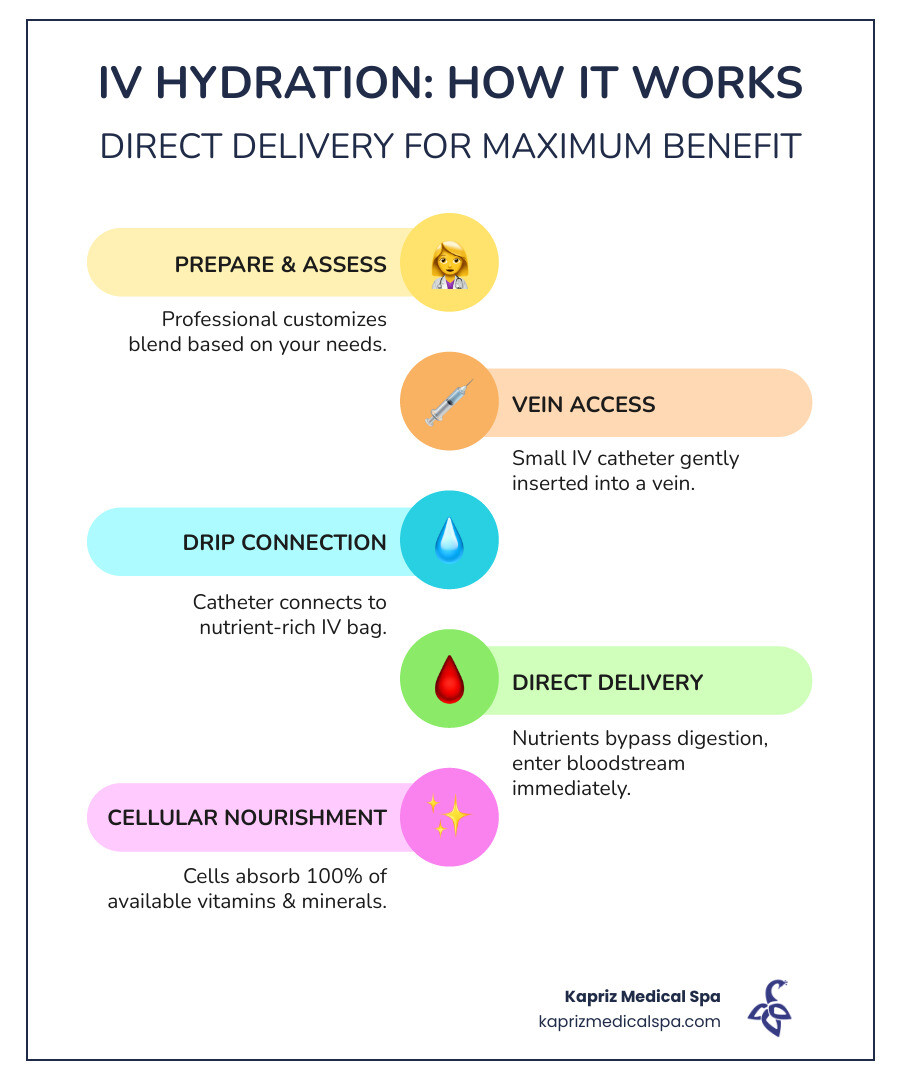
Think of IV hydration therapy as giving your body a VIP pass straight to the front of the line. Instead of waiting for your digestive system to slowly process nutrients from food or pills, this treatment delivers fluids, vitamins, and minerals directly into your bloodstream through a small catheter.
Here’s why this matters: when you take supplements orally, your digestive system only absorbs about 20-50% of the nutrients. The rest gets lost along the way. But with IV therapy, you get 100% bioavailability – meaning every single nutrient makes it to your cells where it’s needed most.
The process itself is surprisingly straightforward. A trained medical professional inserts a thin, flexible catheter into a vein in your arm (usually no more uncomfortable than getting blood drawn). This connects to a bag containing sterile saline solution mixed with your customized blend of nutrients.
As the solution drips steadily into your bloodstream, it bypasses your digestive system entirely. Your cells get immediate access to all those good-for-you ingredients, which is why many people feel the effects within minutes rather than hours.
The Core Components of an IV Drip
Every IV hydration therapy session starts with a sterile saline solution base – basically purified salt water that matches your body’s natural fluid balance. But the real magic happens when carefully selected nutrients are added, custom to your specific needs.
The star players in most IV drips include vitamins like the energy-boosting B-complex family and immune-supporting Vitamin C. Minerals such as magnesium and calcium help everything from your muscles to your nerves function properly. Electrolytes keep your body’s fluid balance in check, while amino acids serve as building blocks for proteins your body needs to repair and grow. Antioxidants act like your cellular bodyguards, protecting against damage from daily stress and environmental toxins.
Some of the most popular ingredients include Vitamin C for immune support and glowing skin, B-Complex vitamins for sustained energy without the crash, Magnesium for muscle relaxation and better sleep, and Glutathione – often called the master antioxidant for its powerful detoxifying properties.
Popular IV Therapy Formulations
Providers know one size definitely doesn’t fit all when it comes to wellness. That’s why specific IV hydration therapy formulations have been developed, each designed like a custom cocktail for your unique needs.
Wellness blends are perfect for those “I just need a boost” days – packed with B vitamins and essential electrolytes to help you feel more like yourself again. Athletic recovery formulas are game-changers for fitness enthusiasts, loaded with amino acids and minerals that help reduce muscle soreness and speed up recovery time.
Immunity boosters have become incredibly popular (especially during cold season), featuring high-dose Vitamin C and zinc to give your immune system extra ammunition. Beauty drips focus on nutrients like biotin and antioxidants that support healthy hair, skin, and nails from the inside out.
One of the most requested treatments is the Myers’ Cocktail – a classic blend that’s been helping people feel better for decades. This powerhouse combination includes B vitamins, Vitamin C, magnesium, and calcium, making it ideal for everything from chronic fatigue to general wellness support.
Each formulation reflects a commitment to personalized care, ensuring you get exactly what your body needs to thrive.
Benefits vs. Risks: A Balanced Look at IV Hydration Therapy
Let’s be honest – IV hydration therapy sounds pretty amazing when you’re feeling run down. The promise of instant energy and rapid recovery is tempting. But like any medical treatment, it’s important to understand both the potential benefits and risks before you roll up your sleeve.
It’s important to have the full picture. Yes, IV therapy can offer some incredible benefits, but it’s not magic, and it’s not right for everyone. The key is making an informed decision with proper medical supervision.
The Purported Benefits of IV Therapy
When nutrients bypass your digestive system entirely, some pretty impressive things can happen. Here’s what many clients experience:
Rapid rehydration is probably the most noticeable benefit. Your body is about 60% water, and even mild dehydration can leave you feeling foggy and tired. When you’re severely dehydrated from illness, intense workouts, or ahem a fun night out, IV hydration therapy can restore your fluid levels in minutes rather than hours.
Many people report increased energy levels almost immediately. This boost often comes from improved hydration combined with energy-supporting B vitamins that your cells can use right away. If you’ve been dragging through your days, this difference can feel remarkable.
For immune support, drips rich in Vitamin C and zinc can give your body’s defense system the reinforcements it needs. This is why immunity-boosting IV therapies become especially popular during cold and flu season.
Hangover relief is another big draw. Hangovers are largely about dehydration and nutrient depletion. An IV drip can quickly rehydrate you and replenish lost vitamins, helping ease those brutal headaches and nausea. It’s like fast-forwarding through the misery.
Athletes love IV therapy for faster recovery. After strenuous exercise, targeted nutrients delivered directly to tired muscles can help reduce soreness and inflammation. Recovery and performance IV therapies are designed to get you back in action sooner.
For improved skin health, proper hydration plus vitamins like Biotin and Vitamin C can contribute to that coveted healthy glow. Inner beauty IV therapies work from the inside out to support radiant skin.
Potential Risks and Side Effects
Now for the reality check. While generally safe when done by qualified professionals, IV hydration therapy does carry some risks you should know about.
Infection is possible anytime a needle breaks the skin. Strict sterile protocols minimize this risk, but it’s never zero.
Vein inflammation can occasionally occur where the IV is inserted. This condition, called phlebitis, is usually mild but can be uncomfortable. Proper insertion technique and monitoring help prevent this.
Fluid overload is a serious concern for people with heart or kidney problems. Receiving too much fluid too quickly can strain these organs. This is why medical screening is so important.
Electrolyte imbalances can happen if formulations aren’t right for your body. While IVs can fix imbalances, they can also create new ones if not properly administered.
Vitamin toxicity is rare but possible. Even though most IV vitamins are water-soluble (meaning excess gets flushed out), extremely high doses can still cause problems. Too much Vitamin C might increase kidney stone risk, while excessive B6 can damage nerves.
Here’s something to consider: some doctors warn about unneeded vitamins, noting that most people taking supplements don’t actually have confirmed deficiencies.
Allergic reactions to IV components are rare but possible. This is why a medical history review is always conducted before treatment.
IV Hydration vs. Oral Supplementation
You might wonder why you can’t just drink water and take vitamins. It’s a fair question, and for most healthy people, oral intake works just fine.
The main differences come down to speed and absorption. IV hydration therapy delivers nutrients immediately with 100% bioavailability, while oral supplements take 24-72 hours to fully absorb and often only 20-50% actually gets used by your body.
Convenience is mixed. IV therapy requires a clinic visit and 30-60 minutes of your time, but oral supplements can be taken anywhere. Cost-wise, IV therapy runs $200-$1,000 per session, while supplements and water cost much less.
The invasiveness factor matters too. IVs involve a needle stick, while swallowing pills doesn’t.
IV hydration therapy shines when you need rapid replenishment or have absorption issues that make oral supplements less effective. For daily wellness maintenance, drinking water and eating well usually does the trick.
The bottom line? IV therapy can be incredibly beneficial in the right circumstances, but it’s not a replacement for healthy daily habits. A qualified provider can help you determine if it’s right for your specific needs and goals.
The Evidence and Ideal Candidates

Let’s be honest about IV hydration therapy – it’s a fascinating blend of proven medical science and promising wellness potential. While the enthusiasm around IV drips is contagious, it’s important to have the complete picture so you can make an informed decision that’s right for your health journey.
The truth is, IV therapy exists in two worlds. In hospitals, it’s a medical necessity that saves lives every day. In wellness settings, it’s more of a personalized health optimization tool. Understanding this distinction is key to setting realistic expectations and ensuring you’re getting the most from your treatment.
What is the Scientific Evidence for IV Hydration Therapy?
Here’s where things get interesting. IV hydration therapy has rock-solid scientific backing when it comes to treating serious medical conditions. Hospitals have been using IV fluids for decades to treat severe dehydration, correct dangerous electrolyte imbalances, and deliver life-saving medications. For people with diagnosed nutrient deficiencies or malabsorption issues, IV therapy is often the gold standard treatment.
But when we move into the wellness world – the energy boosts, hangover relief, and general vitality improvements – the scientific evidence becomes more limited. Most of the research focuses on specific medical conditions rather than general wellness improvement. The lack of large-scale studies doesn’t mean IV therapy doesn’t work for these purposes, but it does mean much of what is known comes from clinical experience and client feedback rather than controlled trials.
Some medical experts remain cautious about the trend. Harvard Health has raised questions about whether healthy people truly need IV therapy when simple oral rehydration often does the job. Their point is valid – for many people, drinking water and eating well provides adequate hydration and nutrition.
What is seen in practice, however, is that many clients experience noticeable improvements in energy, hydration, and overall well-being. While these are anecdotal reports rather than clinical data, they’re still meaningful when you’re the one feeling better after treatment.
Who is a Candidate for IV Hydration Therapy?
IV hydration therapy isn’t for everyone, but certain people can experience remarkable benefits. If you have malabsorption issues from conditions like Crohn’s disease or celiac disease, IV therapy can be transformative. Your digestive system might not absorb nutrients effectively, making direct bloodstream delivery incredibly valuable.
Athletes are another group who often see dramatic results. When you’re pushing your body to its limits, you lose massive amounts of fluids and electrolytes through sweat. Traditional rehydration methods can take hours or even days to fully restore what you’ve lost. An IV drip for recovery can get you back to peak performance much faster.
If you’re dealing with significant dehydration – whether from illness, excessive heat, or simply not drinking enough water – IV therapy offers rapid relief. Sometimes your body needs more than you can reasonably drink, especially if you’re also dealing with nausea or other digestive issues.
Many clients are simply people seeking wellness boosts during stressful periods, after travel, or when they feel their immune system needs support. While this isn’t medically necessary, the energy and vitality boost can make a real difference in how you feel and function.
Who Should Avoid IV Therapy?
Safety should always be the first priority. While IV hydration therapy is generally safe, certain health conditions make it risky or inappropriate. If you have kidney disease, your body struggles to process extra fluids and minerals, making IV therapy potentially dangerous.
Heart conditions, particularly congestive heart failure, can make you vulnerable to fluid overload. Too much fluid too quickly can strain your heart in ways that could be serious. Similarly, if you have uncontrolled high blood pressure, providers need to be extremely cautious about any treatments that might affect your cardiovascular system.
Allergies to any IV components are an absolute contraindication. This is why a thorough medical history review is always conducted before the first treatment. Pregnant and breastfeeding women should also exercise caution, as the safety of high-dose vitamin infusions during these periods hasn’t been extensively studied.
The bottom line? A consultation with a qualified medical professional isn’t just recommended – it’s essential. The goal is to make sure IV therapy is not only safe for you but also likely to provide the benefits you’re seeking. Your health and safety should always be the top priority, and it’s better to err on the side of caution than take unnecessary risks.
Navigating Your IV Therapy Journey

Ready to explore IV hydration therapy? Taking this step toward better wellness is exciting, but it’s important to be prepared for the journey ahead. Understanding what you’ll invest and finding the right provider are crucial pieces of the puzzle.
How Much Does IV Hydration Therapy Cost?
Let’s talk numbers – because nobody likes surprise bills! IV hydration therapy typically costs between $200 and $1,000 per bag, which might seem like quite a range. There’s a good reason for this variation.
Your location plays a big role in pricing. A drip in a major city will likely cost more than one in a smaller town. The type of service you choose matters too – mobile services that come to your home or office often charge a bit more for that convenience factor.
The real game-changer is what goes into your drip. A basic hydration blend will be on the lower end of that price range, while a fully loaded wellness cocktail with premium add-ons like extra Vitamin C or Glutathione will push toward the higher end. Think of it like ordering coffee – a simple brew costs less than a specialty drink with all the extras.
Many providers offer membership packages for regular clients, which can bring down your per-session cost. It’s like buying in bulk – the more you commit to, the more you save.
Here’s the reality check: most insurance plans won’t cover IV hydration therapy for wellness purposes. Since it’s considered elective for healthy individuals, you’ll likely be paying out of pocket. Reputable providers always discuss pricing upfront during consultations, so you’ll never face any unwelcome surprises.
Choosing a Reputable Provider
This is where things get serious. When someone is putting a needle in your arm and infusing substances directly into your bloodstream, you want to be absolutely certain you’re in the right hands.
Licensed medical professionals should be handling your treatment from start to finish. This means Registered Nurses or Nurse Practitioners – people who’ve spent years learning how to do this safely and are held accountable to strict practice standards.
Physician oversight is non-negotiable. A qualified doctor or Nurse Practitioner should review your medical history, prescribe your specific IV formulation, and be available if any concerns arise. This isn’t just about following protocols – it’s about ensuring the treatment is actually right for your unique health situation.
Walk into any reputable clinic and you should immediately notice how clean and professional everything looks. Sterile equipment, proper storage of supplies, and strict infection control measures aren’t just nice-to-haves – they’re essential for your safety.
Before your first drip, expect a thorough medical history review. A good provider will ask about your current health, medications, allergies, and any underlying conditions. This might feel like a lot of questions, but it’s all about creating the safest and most effective treatment plan for you specifically.
Emergency preparedness is something you hope you’ll never need, but you’ll be glad it’s there. Professional clinics have emergency equipment and protocols ready, just in case. It’s like wearing a seatbelt – probably unnecessary, but you want it there.
Finally, transparency matters. Your provider should openly discuss both the benefits and risks of IV hydration therapy, making sure you understand what you’re signing up for before you give your consent.
Frequently Asked Questions about IV Therapy
It’s natural to have questions about IV hydration therapy, especially before your first session. Here are the answers to some of the most common questions people ask.
How long does a session take?
Most IV hydration therapy sessions take about 30 to 60 minutes from start to finish. Think of it as your personal wellness hour! The exact timing really depends on the formulation you receive – a simple hydration boost might be on the shorter side, while more complex wellness cocktails with multiple vitamins and minerals might take the full hour.
Your body’s individual response also plays a role. Some people can comfortably receive fluids quickly, while others prefer a slower, more relaxed pace. The medical team will always adjust the flow rate to keep you comfortable throughout your entire session.
Does getting an IV hurt?
Here’s the honest truth – there’s a small pinch when the needle is first inserted, pretty much like getting your blood drawn at the doctor’s office. Most clients say it’s really not bad at all. Experienced nurses have gentle hands and years of practice making this as comfortable as possible.
Once that tiny, flexible catheter is in place, you won’t feel a thing. Many clients actually find the whole experience quite relaxing. You can read, scroll through your phone, chat with the medical team, or just close your eyes and unwind while the nutrients do their magic.
How often can I get IV therapy?
This is a personal question, and the answer really depends on your unique goals and lifestyle. Some athletic clients come in weekly during intense training periods to support their recovery and performance. Others love monthly sessions as part of their regular wellness routine – kind of like a monthly tune-up for their body.
Then there are clients who come in as needed. Maybe they’re feeling run down, fighting off a cold, or recovering from a particularly stressful week. Some people schedule treatments before big events or after travel to help their body bounce back faster.
During a consultation, a provider will discuss what you’re hoping to achieve and help create a personalized plan that fits your schedule and budget. There’s no one-size-fits-all approach; the goal is to find what works best for you and your body’s needs.
Conclusion
After diving deep into IV hydration therapy, you now have a complete picture of what this popular wellness treatment can and can’t do for you. The promise of rapid rehydration and direct nutrient delivery is real – bypassing your digestive system means 100% bioavailability and faster results than any oral supplement could provide.
But let’s be honest about the takeaways. While IV hydration therapy can be incredibly effective for specific situations – like severe dehydration, athletic recovery, or malabsorption issues – most healthy people don’t actually need this treatment. Your body is pretty amazing at staying hydrated and absorbing nutrients when you drink water and eat a balanced diet.
That said, there’s something to be said for the immediate boost many people experience. Whether it’s bouncing back from a tough workout, recovering from a night out, or simply feeling more energized during a stressful period, the benefits can be genuinely noticeable for many clients.
The key is making an informed decision with proper medical guidance. IV hydration therapy isn’t just a fancy drink – it’s a medical procedure that requires trained professionals, sterile equipment, and careful consideration of your individual health needs. The risks, while generally low, are real and shouldn’t be ignored.
If you’re considering trying IV hydration therapy, choosing the right provider makes all the difference. Look for licensed medical professionals, physician oversight, and a clean, professional environment. Most importantly, find a team that takes the time to understand your unique wellness goals and medical history.
A team of experts dedicated to providing safe and effective treatments customized to your unique needs can help you achieve your wellness goals safely and effectively. It’s not just about the quick fix – it’s about supporting your overall journey to feeling your absolute best.
Ready to explore how IV hydration therapy might fit into your wellness routine? Consider consulting with a qualified provider to see how you can feel more vibrant and energized. Because when you feel amazing, it shows – and that’s what true wellness is all about.