
How Many Units of Botox for Forehead First Time: 2025 Guide
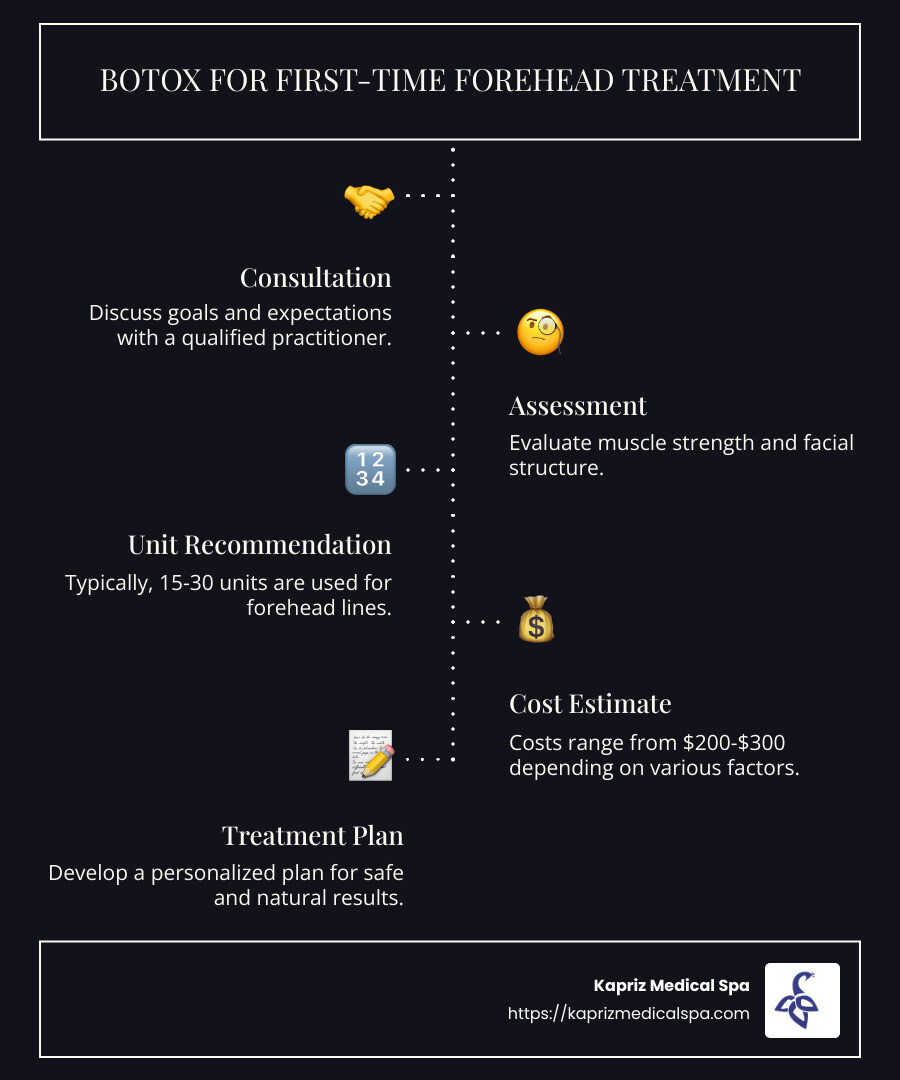
Finding out how many units of botox for forehead first time can be crucial for newcomers seeking smoother skin and fewer wrinkles. Generally, first-time users might need:
- 15 to 30 units for horizontal lines on the forehead
- Up to 40 units for glabellar lines (those ’11’ lines between the eyes)
Botox is a popular cosmetic treatment known for its remarkable ability to reduce wrinkles and improve facial smoothness. Specifically designed to target and relax facial muscles, Botox temporarily pauses the muscle activity that leads to fine lines and wrinkles. For many, the idea of seeking a youthful appearance becomes more tangible with treatments like Botox.
As you start on your journey with Botox, determining the precise number of units for your forehead can be daunting. It’s essential to strike the right balance to achieve natural-looking results without freezing your expressions. It’s always best to lean on the guidance of a qualified practitioner to ensure a personalized, safe, and effective treatment plan.
Similar topics to how many units of botox for forehead first time:
– how many units of jeuveau do i need for forehead
– how to know how many units of botox you need
– botox for smile lines
Understanding Botox
Botox has become a go-to solution for many seeking to reduce the appearance of wrinkles and achieve smoother skin. But how does it work?
How Botox Works
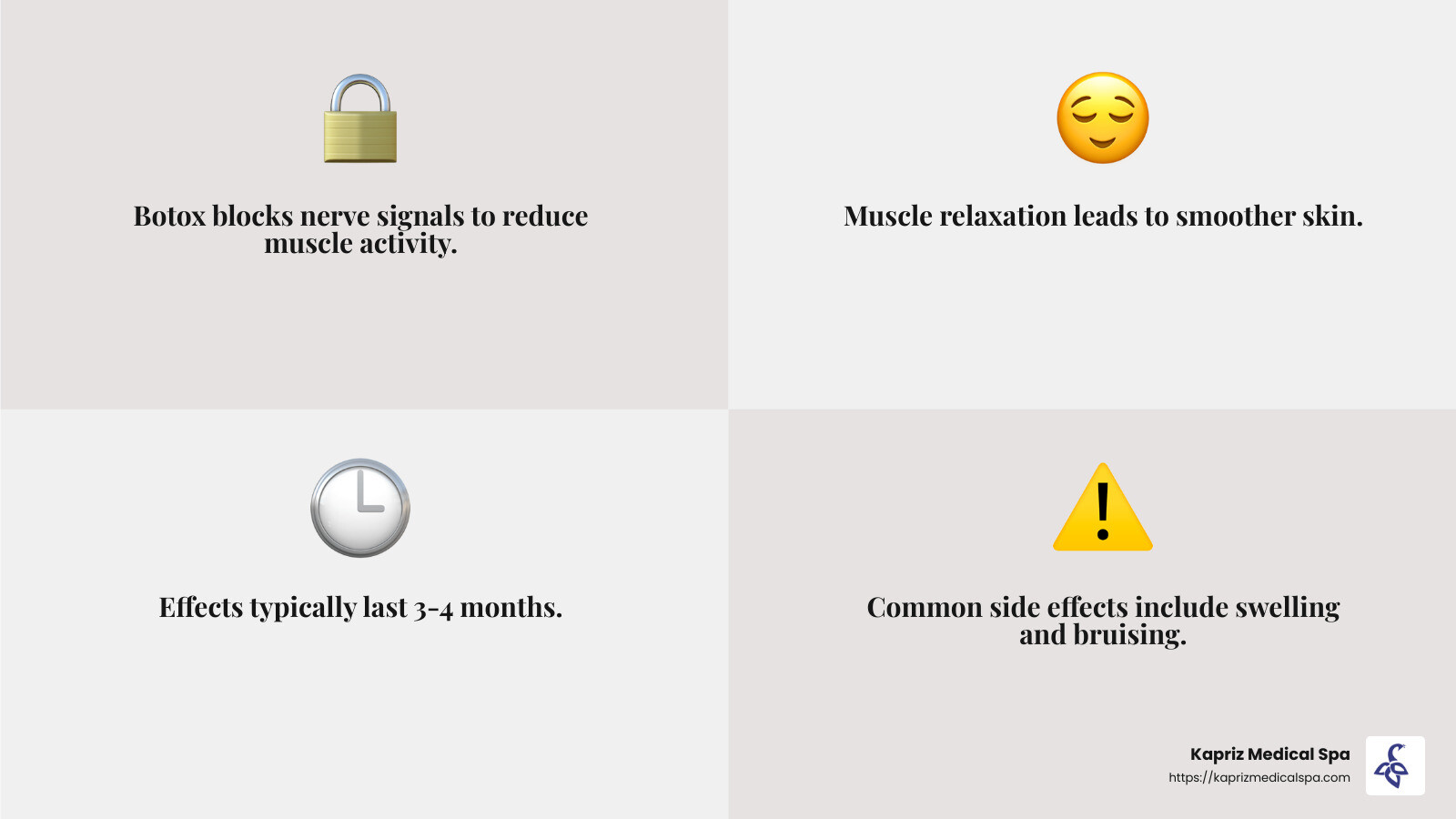
Botox is derived from a neurotoxin called botulinum toxin. When used in small, controlled doses, it can work wonders on facial wrinkles. The process begins when Botox is injected into specific facial muscles.
Here’s what happens next:
Nerve Signals Blocked: Botox interrupts the nerve signals that tell muscles to contract. This temporary “pause” in muscle movement helps to smooth out wrinkles.
Muscle Relaxation: As the muscles relax, the skin above them becomes smoother. This relaxation is what gives Botox its wrinkle-reducing power.
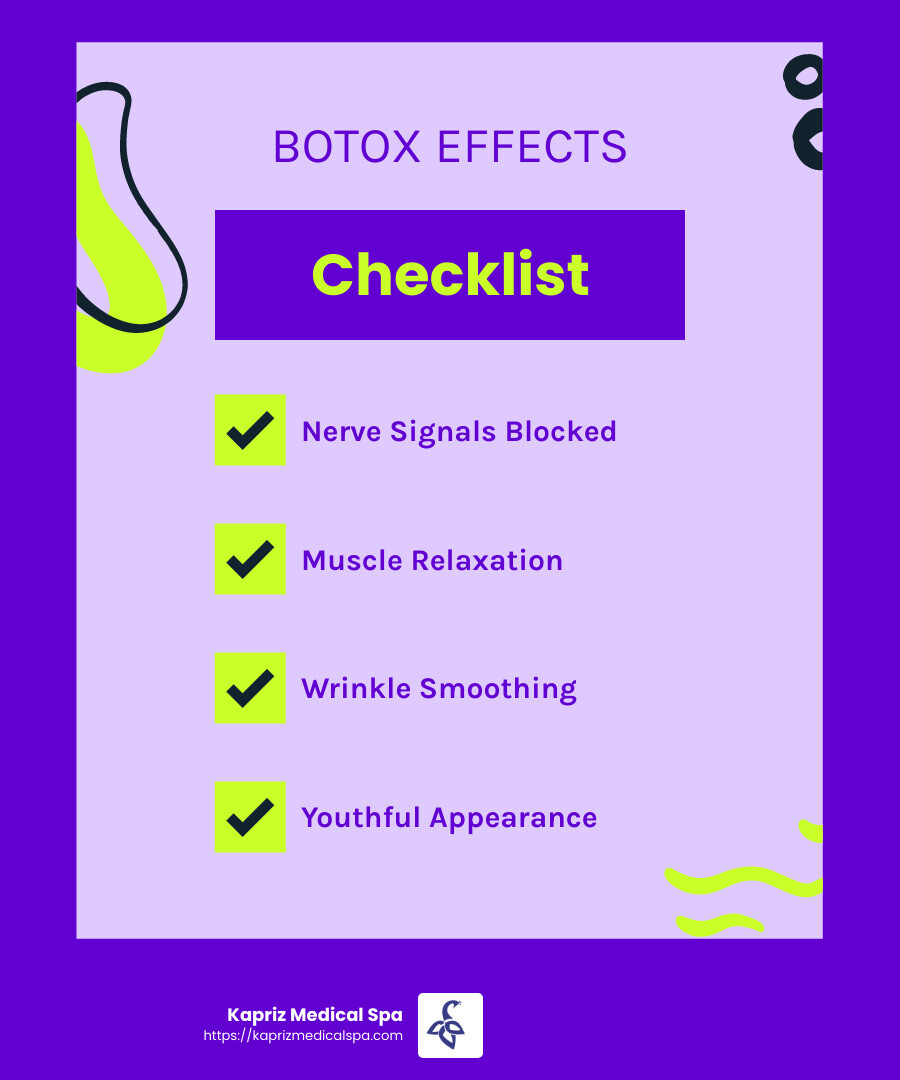
- Wrinkle Smoothing: Over time, the constant muscle activity that causes wrinkles is reduced, leading to a softer and more youthful appearance.
Common Side Effects
While Botox is FDA-approved and generally safe, it’s not without potential side effects. Here are some to be aware of:
Swelling and Bruising: These are the most common and usually occur at the injection site. They typically resolve within a few days.
Droopy Eyelids: In rare cases, Botox can cause temporary drooping of the eyelids if it spreads beyond the targeted area.
It’s important to discuss potential side effects with your practitioner before treatment. This ensures you have a clear understanding of what to expect and how to manage any side effects that might occur.
By understanding how Botox works and its potential side effects, you can make an informed decision about whether it’s the right treatment for you.
How Many Units of Botox for Forehead First Time?
Factors Influencing Units Needed
When you’re getting Botox for the first time, especially for the forehead, several factors come into play. It’s not just about sticking to a fixed number of units; it’s about tailoring the treatment to your unique needs.
Muscle Strength: Some people have stronger forehead muscles, which might require more Botox to achieve the desired effect. If your muscles are more active, they could create deeper lines that need more units to smooth out.
Facial Structure: Everyone’s face is different. The natural contours and shape of your forehead can influence how many units you’ll need. For instance, a broader forehead may require more units for even distribution.
Desired Results: What look are you going for? A gentle softening of lines or a more dramatic smoothing? Your goals will guide the number of units used.
Typical Unit Range for Forehead
For first-time users, the typical unit range for Botox on the forehead is generally between 10 to 30 units. This range is based on recommendations from Allergan, the maker of Botox, and the advice of experienced practitioners.
Horizontal Lines: These are the lines that run across your forehead. To treat them, most practitioners recommend starting with 10 to 30 units. This can vary based on the factors mentioned above.
Glabellar Lines: Also known as the “11s,” these lines appear between your eyebrows. They often require a bit more focus, sometimes needing up to 20 units for effective treatment.
Practitioners at Kapriz Medical Spa often take a conservative approach for first-time users. Starting with a lower dose allows for adjustments in follow-up visits, ensuring you achieve a natural look without overdoing it. It’s easier to add more later than to reduce once it’s done.
By understanding these factors and typical ranges, you can work with your practitioner to determine the best approach for your first Botox experience.
Cost Considerations
When considering Botox for the first time, understanding the cost can help you plan better. Botox is priced by the unit, and prices can vary depending on several factors.
Average Cost for Forehead Botox
For the forehead, the cost of Botox typically ranges from $200 to $300. This is based on using around 20 to 30 units, which is common for treating horizontal lines and glabellar lines.
Price per Unit: Botox usually costs between $10 and $15 per unit. The total cost depends on how many units you need, which your practitioner will determine based on your specific needs.
Treatment Cost: The overall cost of your Botox treatment will depend on the number of units used and possibly additional fees. For example, if you need 20 units, and each unit is $12, your treatment would cost $240.
Geographic Variation: Prices can vary depending on where you live. In some areas, the cost per unit might be higher due to demand and the cost of living. For instance, in big cities, Botox might be more expensive than in smaller towns.
Practitioner Fees: Some practitioners charge additional fees for their expertise and the time spent on your treatment. It’s important to know if these fees are included in the per-unit price or are separate.
When planning your Botox treatment, discussing these cost factors with your practitioner can help you budget effectively. At Kapriz Medical Spa, we aim to provide clear pricing to ensure you know what to expect before your treatment.
Frequently Asked Questions about Botox Units
How long do Botox effects last?
Botox effects typically last 3 to 4 months. However, this can vary from person to person. Some people might notice the effects fading sooner, while others might enjoy smoother skin for a bit longer. Individual variation is normal, and how long Botox lasts can depend on factors like your metabolism and how expressive you are with your facial muscles.
After your initial treatment, you might need a touch-up sooner. Over time, as your muscles adjust to the treatment, the effects may last longer between sessions. It’s always a good idea to discuss your specific situation with your practitioner.
Is 20 units enough for the forehead?
The amount of Botox needed can vary, but 20 units is a common starting point for the forehead. This amount is often used to treat horizontal lines and glabellar lines (the lines between your eyebrows, often called “11s”).
Your practitioner will evaluate factors like your muscle strength, facial structure, and desired results to determine the right amount for you. It’s important to have a consultation to discuss these factors before your treatment.
What happens if too much Botox is used?
Using too much Botox can lead to muscle heaviness or a frozen appearance, where facial expressions become limited. This can make your face look expressionless and unnatural.
In some cases, uneven results may occur if Botox is not distributed correctly, causing one side of the face to move differently than the other. It’s crucial to choose a skilled practitioner to avoid these issues. They will ensure the correct amount is used and injected into the right muscles for a natural look. Always start with a conservative amount, as more can be added later if needed.
Conclusion
At Kapriz Medical Spa, we believe in the power of personalized treatments to help you achieve your aesthetic goals. Whether you’re new to Botox or looking to maintain your youthful appearance, our expert team is here to guide you every step of the way.
When it comes to how many units of Botox are needed for the forehead, we understand that there’s no one-size-fits-all answer. Factors like muscle strength, facial structure, and your desired results play a big role in determining the right amount. Our practitioners are dedicated to assessing these factors carefully to create a treatment plan that’s just right for you.
Our approach emphasizes starting conservatively to ensure natural-looking results. We can always add more units later if needed, but removing excess Botox isn’t an option. This ensures you leave our spa with a refreshed and confident look, without the worry of a frozen appearance.
With our commitment to exceptional service and building lasting relationships, you can trust us to deliver the optimal aesthetic outcomes you desire.
Ready to start your journey to smoother skin? Contact us today to schedule your consultation and find how our personalized approach can improve your natural beauty.