
Chemical Peel for Acne: Ultimate Guide 2025
Open uping Clear Skin: Your Guide to Chemical Peels for Acne
Battling stubborn breakouts is frustrating. Acne, a common issue for teens and adults, can leave behind blemishes, scars, and dark spots that impact confidence. When finding an effective solution feels like a constant struggle, a chemical peel for acne can be the answer.
How do chemical peels help?
- Exfoliate dead skin cells.
- Unclog pores to prevent new breakouts.
- Calm inflammation and redness.
- Reduce the appearance of acne scars and dark spots.
Chemical peels are a game-changer, offering a professional path to clearer, smoother skin. This guide covers everything you need to know about using chemical peels to say “Acne Be Gone!”
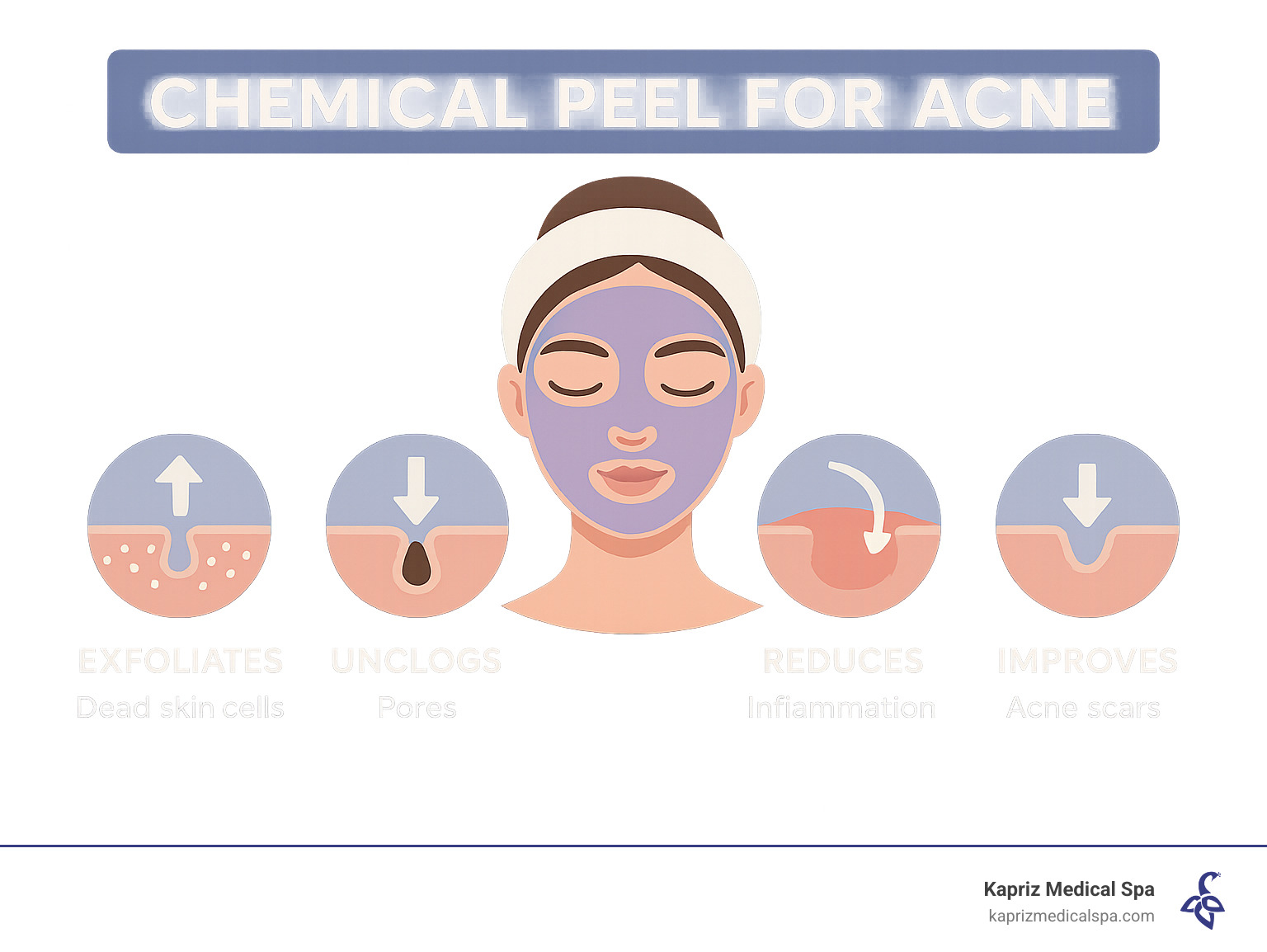
Chemical peel for acne vocab explained:
What is a Chemical Peel and How Does It Work?
If you’re battling acne, you know it can leave behind uneven texture and dark spots. A chemical peel for acne acts like a refresh button for your skin. In this professional treatment, a solution is applied to encourage the top, damaged layers of skin to exfoliate, revealing healthier skin underneath.
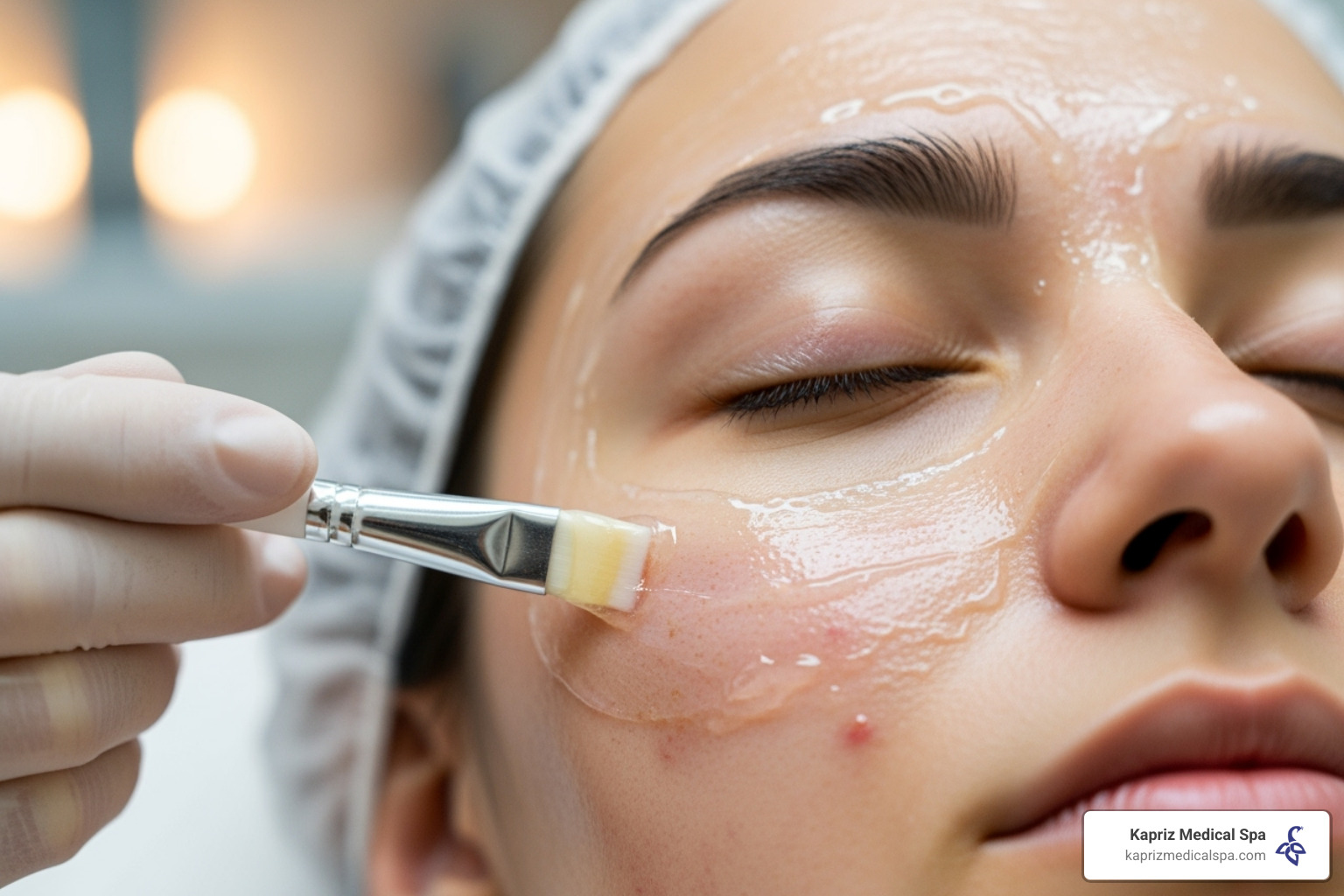
This controlled process kickstarts your skin’s natural healing, leading to increased cell turnover—faster shedding of old cells for new, healthier ones. Chemical peels work in several key ways: they unclog pores by clearing debris and excess oil; reduce inflammation by calming red breakouts; stimulate collagen production to smooth depressed acne scars; and fade post-inflammatory hyperpigmentation (PIH), lightening dark spots for a more even skin tone.
Essentially, a chemical peel for acne resets your skin’s balance and improves its overall health. For a deeper dive into the science, you can explore the evidence and considerations in chemical peels.
How Peels Target Active Acne
Chemical peels tackle active acne on several fronts. Many have a powerful comedolytic effect, dissolving the debris that clogs pores, which clears existing blackheads and whiteheads and prevents new ones. Some acids also have bactericidal properties, targeting the P. acnes bacteria that cause inflammatory breakouts. Furthermore, peels can help by reducing sebum production. This temporary decrease in oil helps starve acne-causing bacteria, leading to fewer blockages and a less oily complexion.
How Peels Improve Acne Scars
Chemical peels are a powerful solution for improving acne scars. Their key strengths include:
- Collagen remodeling: Peels stimulate new collagen production, which helps fill in and smooth out depressed (atrophic) acne scars.
- Smoothing skin texture: By removing the outer layer of scarred skin, peels allow smoother skin to regenerate, refining the surface.
- Fading post-inflammatory hyperpigmentation (PIH): Peels are highly effective at lightening the dark spots left after breakouts, leading to a brighter, more uniform complexion.
Choosing the Right Chemical Peel for Acne
Choosing the right chemical peel for acne requires a custom approach. At Kapriz Medical Spa, we understand every client’s skin is unique. A professional assessment is crucial to review your skin type, goals, and specific acne concerns to find the ideal match.
Chemical peels are grouped by depth: superficial (light), medium, and deep. Each uses different agents and has varying results and recovery times. Understanding these differences is key to choosing the best path for your skin.
Here’s a snapshot of the main types we consider for acne:
| Peel Type | Depth of Penetration | Common Agents | Best Use Cases for Acne | Typical Downtime |
|---|---|---|---|---|
| Superficial (Light) | Epidermis (top layer) | Alpha-Hydroxy Acids (Glycolic, Lactic, Mandelic), Beta-Hydroxy Acids (Salicylic), Jessner’s Solution | Mild acne, whiteheads, blackheads, oily skin, uneven texture, minor discoloration | Hours to a few days |
| Medium-Depth | Epidermis & Papillary Dermis (upper dermis) | Trichloroacetic Acid (TCA) | Moderate acne, stubborn hyperpigmentation, shallow acne scars, fine lines | A week or more (flaking, redness) |
Deep peels, using agents like phenol, are reserved for severe issues like deep wrinkles or extensive scarring, not typically for active acne due to their intensity and long recovery. Our focus is on the safest, most effective options for your acne journey. A personalized assessment ensures the best outcome, prioritizing your safety and satisfaction.
Superficial (Light) Peels
Superficial peels are often the first choice for acne. They work gently on the epidermis (the top layer of skin) with minimal downtime, which is why they’re often called “lunchtime peels.” Common agents include:
- Alpha-Hydroxy Acids (AHAs): Water-soluble exfoliants like Glycolic, Lactic, and Mandelic Acid that loosen dead skin cells.
- Beta-Hydroxy Acids (BHAs): Oil-soluble acids like Salicylic Acid that penetrate pores to clear blockages and reduce oil, making them ideal for oily skin and active breakouts. A 30% Salicylic Acid peel is a common choice.
- Jessner’s Solution: A blend of salicylic acid, lactic acid, and resorcinol that is excellent for active acne and dark spots.
These light peels are excellent for mild acne, improving skin texture, and managing oily skin.
Medium-Depth Peels
For more persistent issues like stubborn hyperpigmentation or shallow acne scars, we may suggest a medium-depth peel. The most common agent is Trichloroacetic Acid (TCA), used in 10% to 30% concentrations for acne.
Medium-depth peels are more powerful but require more patience, with a recovery of a week or more involving noticeable flaking and redness. The results, however, can be remarkable. TCA peels carry a higher risk of complications for darker skin tones, which is why professional expertise is crucial for a safe and successful outcome.
The Ideal Candidate: Is a Peel Right for You?
Wondering if a chemical peel for acne is right for you? While many people benefit, the best way to find out is with a professional consultation. At Kapriz Medical Spa, we’ll assess your skin condition, discuss your health history, and listen to your goals to create a personalized plan.
It’s also important to have realistic expectations. A chemical peel is a powerful tool, but it’s part of a comprehensive approach to achieving clear skin. We’re here to guide you.
Who Benefits Most from a Chemical Peel for Acne?
You may be an ideal candidate for a chemical peel for acne if you have:
- Mild to moderate acne: Including whiteheads, blackheads, papules, and pustules.
- Comedonal acne: Peels excel at clearing clogged pores.
- Oily, congested skin: They help control oil and minimize the appearance of pores.
- Post-acne discoloration: Peels can significantly fade red or brown spots.
- Shallow scars: They can smooth uneven texture by stimulating collagen.
Who Should Avoid Chemical Peels?
While generally safe, chemical peels should be avoided in certain situations. We advise against a peel if you:
- Have active skin infections (bacterial, fungal, or viral).
- Have used oral isotretinoin (Accutane) in the last six months.
- Are pregnant or breastfeeding.
- Have a history of keloid scarring.
- Have very sensitive skin conditions like eczema or rosacea.
Special Considerations for Skin of Color
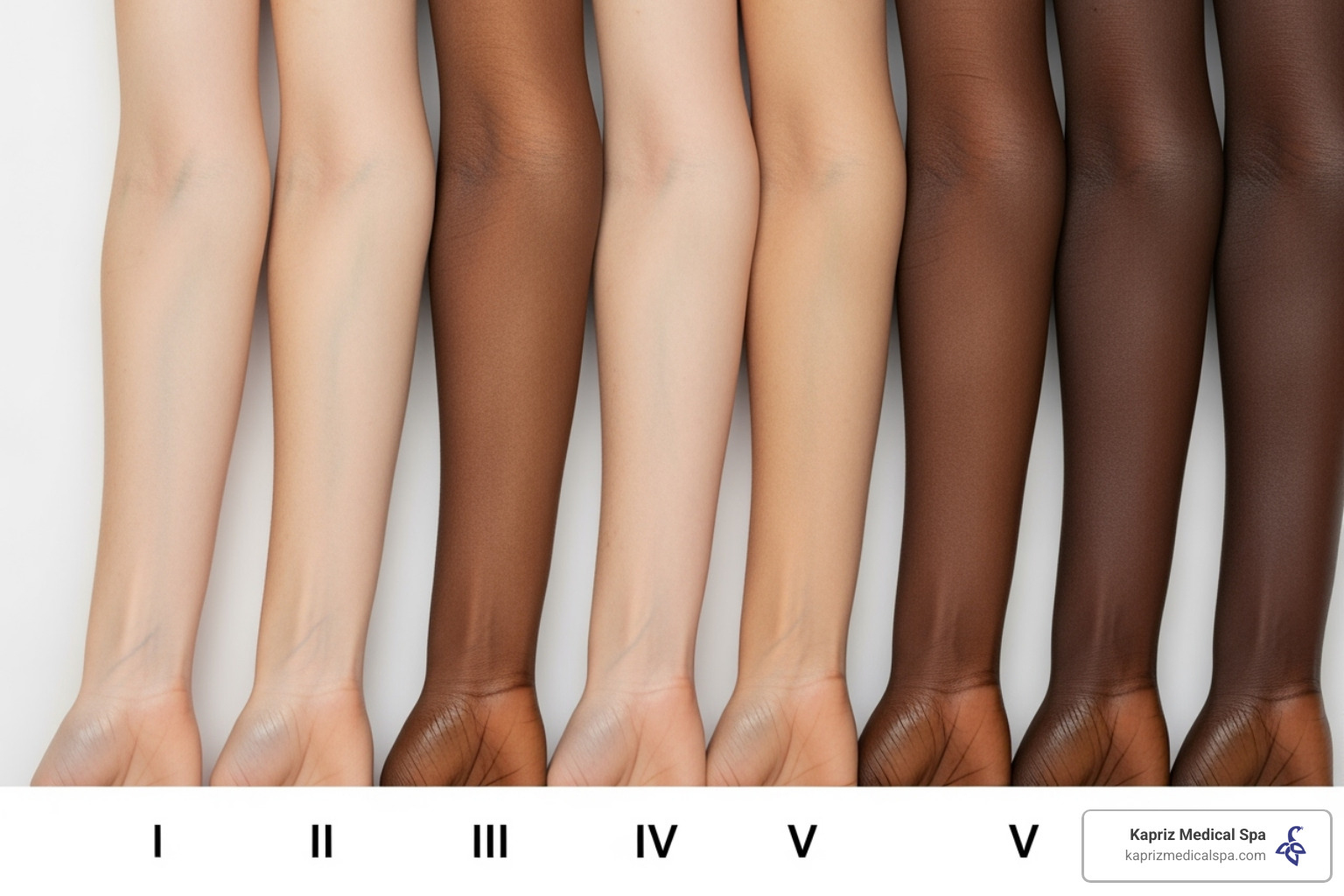
At Kapriz Medical Spa, we take special care with skin of color (Fitzpatrick types IV-VI). These skin types have more melanin, increasing the risk of post-inflammatory hyperpigmentation (PIH) after a peel. However, this doesn’t rule out peels; it just requires a more precise approach.
We often recommend safer options like superficial peels with salicylic, mandelic, or lactic acid. We start with lower concentrations and emphasize pre-peel skin prep, including daily sunscreen use, to prevent unwanted pigmentation. Our expertise in treating diverse skin tones is key to minimizing risks and achieving beautiful, even results. For more scientific insight, explore research on peeling in ethnic skin.
Your Chemical Peel Journey: From Prep to Peeling
Your chemical peel for acne journey is a straightforward process designed for your comfort and optimal results. We guide you from preparation through healing.
Preparing for Your Appointment
Properly preparing your skin is a crucial first step for the best results. We provide personalized instructions during your consultation, but general guidelines include:
- Stop using certain products: For one to two weeks before your peel, pause use of retinoids, AHAs, BHAs, and benzoyl peroxide to avoid excess sensitivity.
- Avoid sun exposure: Limit sun and avoid tanning for at least two weeks pre-peel. We cannot treat sunburned skin.
- Discuss medications: Inform us of all medications and supplements. If you have a history of cold sores, we may prescribe an antiviral medication to prevent a flare-up.
- Arrive with a clean face: Come to your appointment without makeup or heavy moisturizers.
During the Treatment
The chemical peel for acne treatment is quick, typically lasting about 30 minutes. The process begins with a thorough cleanse to ensure even application, after which we apply the chemical solution.
During application, it’s normal to feel a temporary tingling, warming, or mild burning sensation. We use cooling fans to keep you comfortable. Some peels are self-neutralizing, while others require a solution to stop the reaction. Afterward, we may apply a soothing ointment. With certain peels, you will wash the solution off at home a few hours later.
Aftercare and the Recovery Process
Proper aftercare is just as important as the peel itself for achieving amazing results. We provide specific instructions, but here are the key guidelines:
- Cleanse gently: Use only the mild, non-abrasive cleanser we recommend.
- Moisturize: Keep skin hydrated with the gentle products we recommend. Do not substitute.
- Protect from the sun: Strict sun protection is non-negotiable. Avoid direct sun and apply broad-spectrum SPF 30+ daily.
- Do not pick or peel: Let skin shed naturally to avoid scarring or hyperpigmentation.
- Avoid harsh products and activities: Steer clear of exfoliants and retinoids until healed. Limit strenuous, sweat-inducing activity for a few days. Wait to apply makeup as directed.
What to Expect During Recovery:
Downtime depends on the peel’s depth.
- Superficial (Light) Peels: Recovery is quick (a few hours to a few days) with mild redness and light flaking.
- Medium-Depth Peels: Recovery is more noticeable (a week or more) with redness, swelling, and significant peeling lasting one to two weeks.
It’s normal for skin to look worse before it gets better. Trust the process to reveal clearer, smoother skin!
Frequently Asked Questions
It’s normal to have questions when considering a chemical peel for acne. Here are answers to some common inquiries to help you feel informed.
How many treatments will I need for my acne?
The number of chemical peel for acne sessions needed is personal and depends on your acne’s type and severity, the peel’s depth, and your skin’s response.
- Light peels often require a series of three to five treatments, spaced two to five weeks apart.
- Medium-depth peels are needed less often, perhaps every six to twelve months.
- Deep peels are typically a one-time treatment.
During your consultation, we will assess your skin and create a personalized treatment plan that outlines the recommended number and spacing of sessions.
Are chemical peels painful?
During a chemical peel for acne, it’s common to feel a temporary sensation ranging from mild tingling to a more noticeable stinging or burning. This feeling subsides once the peel is neutralized.
- Light peels involve minimal, tolerable discomfort.
- Medium peels can be more intense, with a stinging sensation lasting up to 20 minutes.
We use cooling fans and other techniques to ensure your comfort. Discomfort is a sign the peel is working to renew your skin, and most patients tolerate the procedure well.
What are the potential risks of a chemical peel for acne?
When performed by a qualified professional, chemical peels for acne are generally safe. Potential risks, most of which are temporary, include:
- Redness, dryness, flaking, and peeling: These are common and expected side effects.
- Changes in skin color: There is a risk of hyperpigmentation or hypopigmentation, which is higher in darker skin tones or without proper sun protection. Strict sun care is essential.
- Scarring: This is rare, mainly a risk with deeper peels or if aftercare instructions aren’t followed.
- Infection: This is also uncommon. We provide full guidance and may prescribe antiviral medication to prevent cold sore flare-ups.
We minimize these risks through a thorough assessment, proper peel selection, and detailed pre- and post-care instructions. Choosing a qualified provider is the most crucial step for a safe and effective treatment.
Conclusion: Take the Next Step Towards Clearer Skin
You’ve learned how a chemical peel for acne can make clear, confident skin a reality. This treatment is a powerful ally for a healthier complexion. A chemical peel for acne does more than tackle active breakouts; it also smooths scars and fades dark spots. It’s a reset for your complexion, refreshing your skin and boosting your confidence as part of a comprehensive skincare plan.
At Kapriz Medical Spa, your skin journey is unique. We focus on building a trusting relationship and crafting custom plans to meet your needs and achieve lasting results. We are committed to enhancing your natural beauty with a personalized touch.
If you’re ready to say goodbye to stubborn acne, we’re here to help. Let’s discuss how a custom chemical peel plan can unveil your most confident self. Your path to radiant skin starts here!
Book a consultation to create your personalized chemical peel plan